7 Essential Considerations Before Embarking on a Brand Redesign
A brand redesign can breathe new life into your business, attract new customers, and give your brand a fresh and modern look. However, it's crucial...
As companies grow, they typically need sub-brands. A sub-brand is a division or subsidiary of an existing brand.
If you've started researching sub-brands, you've probably realized this is more complicated than it first appears. You'll run into confusing terminology, conflicting information, and examples that all seem to be handled differently.
This article walks through the five steps we follow when expanding our clients' brands. You'll learn the different sub-brand types and what goes into creating guidelines that actually hold up.
The first step is figuring out what type of sub-brand you're working with. There's a lot of information out there about brand architecture, and not all of it agrees.
Here's a breakdown of the main types:
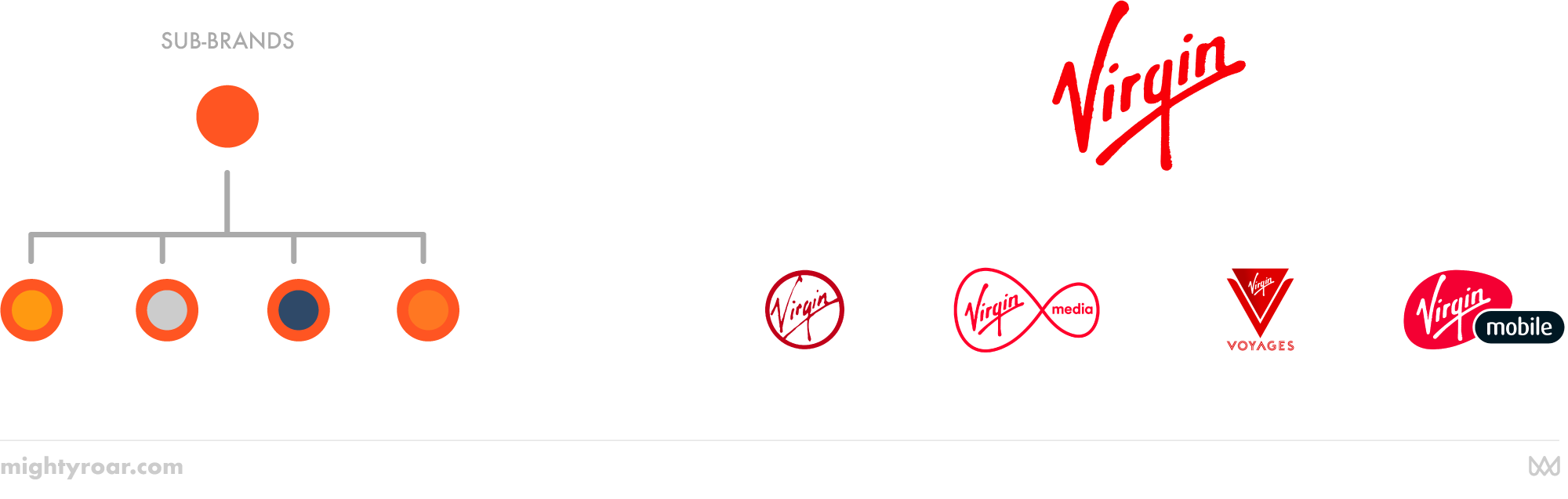
All brands in the portfolio share the master brand's name and values. Sub-brands don't typically operate independently. The look, feel, and marketing messaging stay consistent across the board.

How It Works:
Examples:
Sub-brands are closely tied to the parent brand but have some identity of their own. Their offerings differ slightly, though they still carry the parent brand's values and messaging.

How it Works:
Examples:
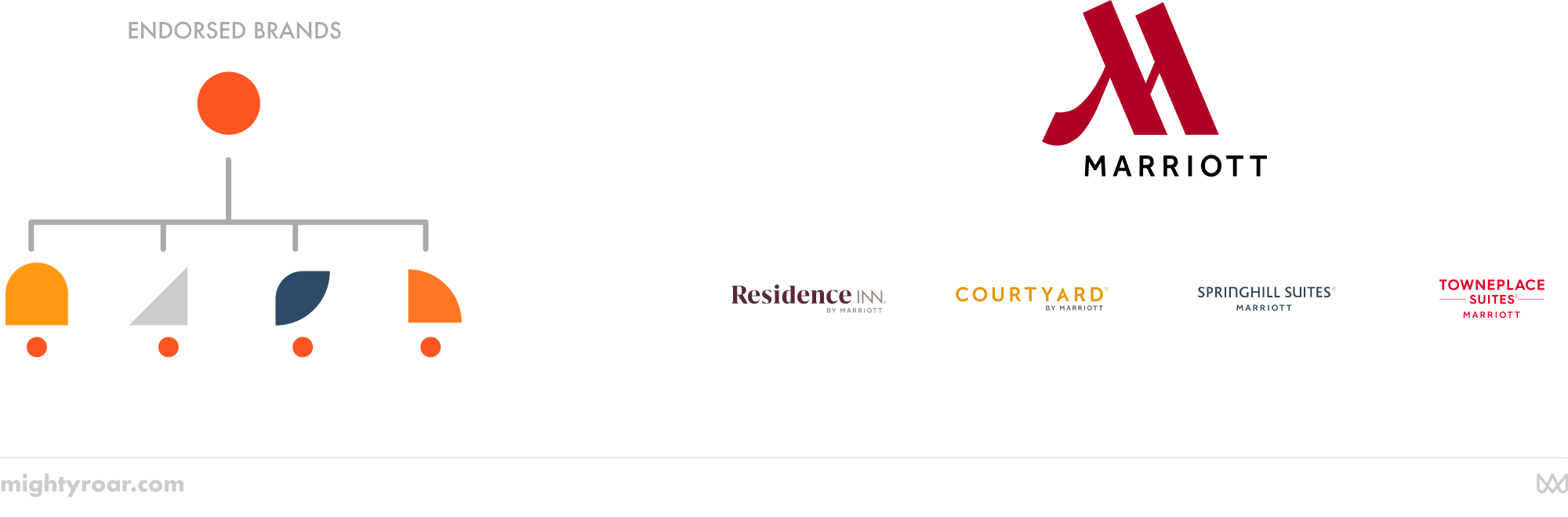
The parent brand lends its credibility to another brand within the family, giving that brand legitimacy in the eyes of the audience. Each endorsed brand has its own audience, offering, and identity.

How it Works:
Examples:
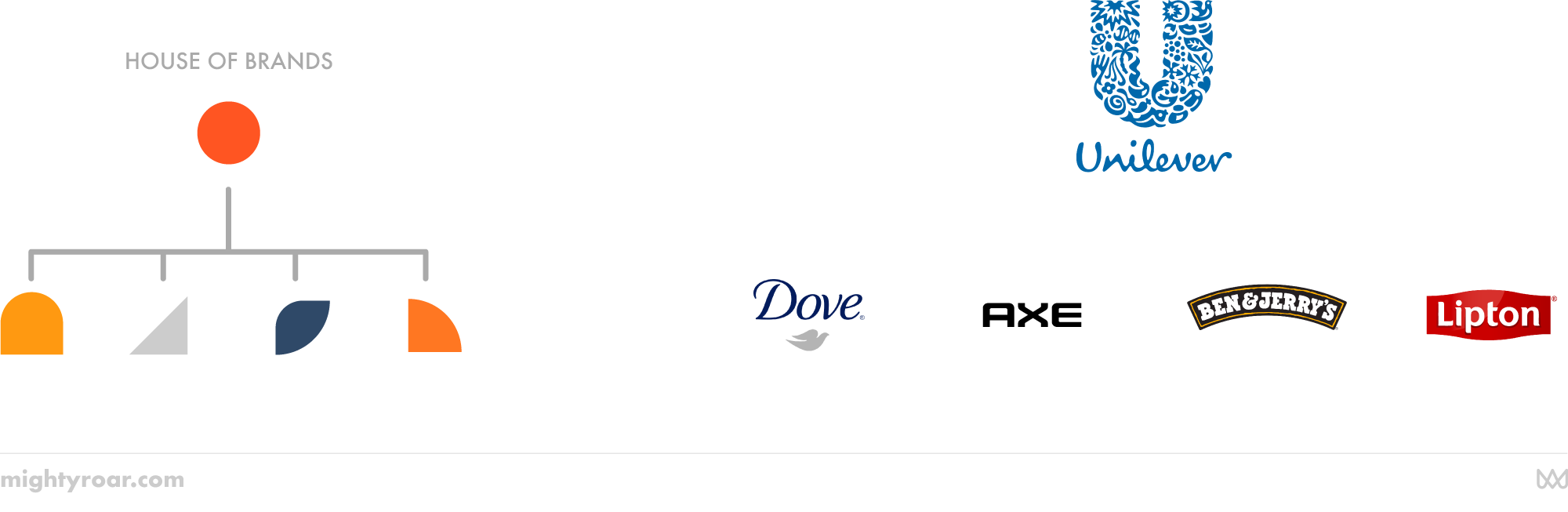
The opposite of a branded house. Multiple brands operate completely independently, with different audiences, products, and identities. The audience typically doesn't associate them with each other.

How it Works:
Examples:
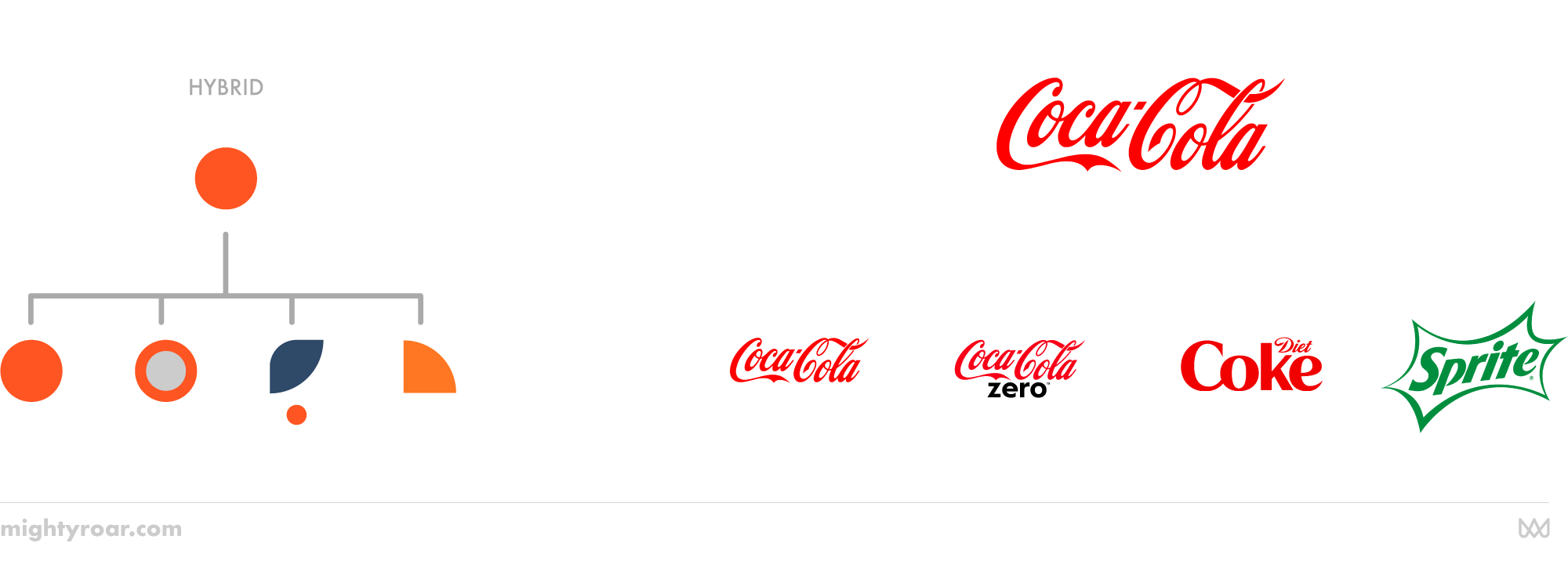
Older brands often end up here. When a new brand is created, a decision gets made about whether it should function more like a sub-brand or a standalone brand. The result is a mix.

How it works:
Examples:
Understanding these distinctions matters because building brands that matter starts with knowing which model you're actually working within. Getting this wrong early creates problems that compound fast.

Gather all existing logo files and assets from both the parent brand and any existing sub-brands. Look at everything together before making any decisions. Ask yourself:

Which elements are doing the work of conveying the parent brand? Now you decide what stays in every sub-brand logo and what can go.

Once you've locked down the parent brand mandatories, figure out where sub-brands have room to be themselves. The goal is protecting the parent brand without making every sub-brand feel like a copy.
Where sub-brands often get flexibility:

Now comes the actual design work. A few things to keep in mind as you build:
Sub-brand work is more involved than most people expect going in. These five steps won't make it effortless, but they'll give you a clear path through it.
A brand extension applies the parent brand's name to a new product category without creating a separate identity. Think Dove soap expanding into Dove shampoo. A sub-brand goes further — it gets its own name, sometimes its own visual identity, and often its own audience. The iPhone is a sub-brand. Dove shampoo is a brand extension.
Yes, if the sub-brand's positioning, quality, or messaging conflicts with what the parent brand stands for. A luxury parent brand that launches a budget sub-brand under the same name risks diluting its premium perception. That's one reason brand architecture decisions matter early — it's much harder to walk back a sub-brand that's already in market.
There's no universal number, but the risk grows when you can no longer maintain consistent quality and messaging across all of them. Most brand strategists start asking hard questions around four or five sub-brands — not because of the number itself, but because that's usually when governance breaks down and sub-brand owners start making unilateral decisions.
Not always. It depends on whether the sub-brand has a meaningfully different audience. If the same people follow the parent brand and would reasonably care about the sub-brand, separate accounts mostly just split your reach and double your content workload. If the audiences genuinely don't overlap — different demographics, different interests, different purchase behavior — separate accounts make more sense.
When it has outgrown the parent brand's positioning or is actively constrained by it. If the sub-brand is targeting a different audience, operating in a different category, or carrying associations the parent brand doesn't want, that's usually the signal. Some companies make this move proactively; others wait until the tension becomes a problem.
Sign up for our monthly newsletter to receive updates.
A brand redesign can breathe new life into your business, attract new customers, and give your brand a fresh and modern look. However, it's crucial...
In a world flooded with advertisements and promotions, it's not enough to simply showcase your product or service to attract sales.Product research,...
Most organizations operate multiple brands. Sometimes this is due to a merger or acquisition, while other times it is by design within the marketing...