 Christian Durrett
1 min read
When to Reposition Your Brand
 Brian Vieira : 11/20/23 8:42 AM
Your brand position, at its core, is a statement reflecting the perception your desired target audience holds to represent your values, offerings,...
A tagline works best when your brand needs clarification, differentiation, or emotional connection. Skip it if your logo is already iconic or self-explanatory, or if your tagline is forgettable. The right call depends on your brand's maturity, market position, and how much your logo can communicate on its own.
If your logo doesn't immediately communicate what you do, a tagline fills that gap. This is especially true for abstract marks or symbolic logos.
Say you run an eco-friendly store and your logo is a stylized leaf. The leaf suggests nature, but "Rooted in Nature" tells customers you're committed to sustainability. Without it, they might assume you're a landscaping company.
 Image Source: Adobe.com
Some taglines become inseparable from the brands they represent. Nike's "Just Do It" and McDonald's "I'm Lovin' It" stick in people's minds. Paired with the logo, they reinforce the brand message every time someone sees them.
A strong tagline gives your logo more depth. When you have one that good, you'll know it.
 Image: Source Muse by Clio
In competitive categories, a tagline can be your differentiator. It highlights what makes you different when your logo can't carry that weight alone. If three competitors have similar-looking logos, your tagline becomes the thing that separates you.
 Image: Slack
This one's for startups and tech companies. If what you sell requires explanation, a tagline can simplify the message. Slack pairs their logo with "Where work happens" because a hashtag symbol doesn't explain a workplace communication platform.
Taglines tap into the emotional side of branding. They're particularly valuable for nonprofits and purpose-driven brands where values are the differentiator.
A charitable foundation with a logo showing hands reaching out could use "Empathy in Action" to express their mission and connect with donors.

Some logos communicate everything on their own. Adding text would clutter the design and weaken its impact.
Apple's logo needs no tagline. The bitten apple is instantly recognizable, and adding words would only get in the way.
A well-designed logo can be a work of art. Chanel's double-C mark exudes sophistication through design alone. Words would diminish that.
Not all taglines deserve to exist. If yours is generic, inherited from a previous era, or feels like an afterthought, leave it out.
A weak tagline does more damage than no tagline. If you can't budget for a real brand refresh right now, wait until you can do it right.
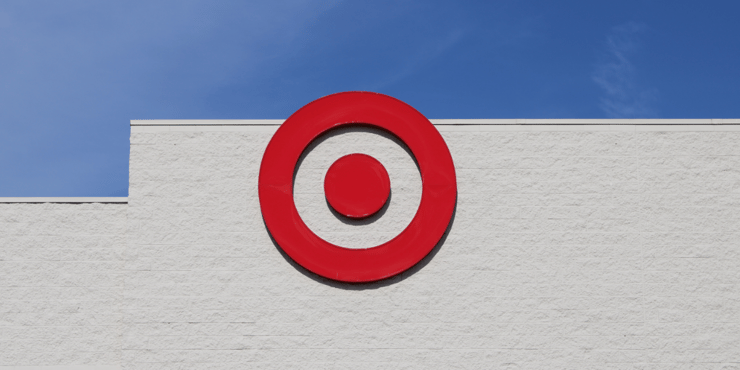
Simple logos work better across digital platforms, especially social media avatars and mobile screens. Compare Target and Walmart: Walmart puts "Save Money. Live Better." everywhere it can. Target lets the bullseye do the work.
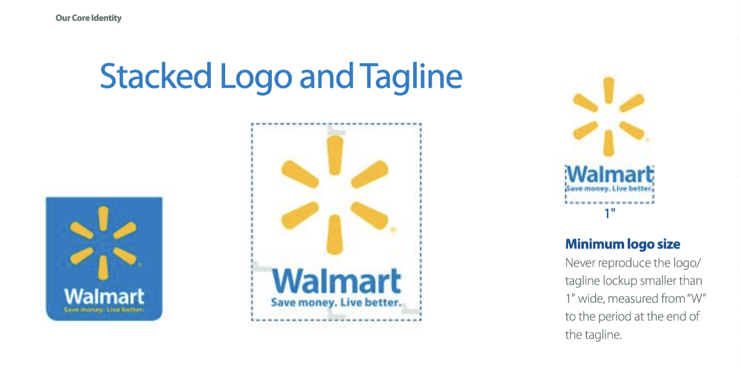
Target embraces minimalism more than its competitors. Walmart uses "Save Money. Live Better." everywhere they can. Target lets the bullseye do the work.
Brands with decades of equity don't need taglines to reinforce their message. Coca-Cola's script and MasterCard's overlapping circles carry meaning without explanation.
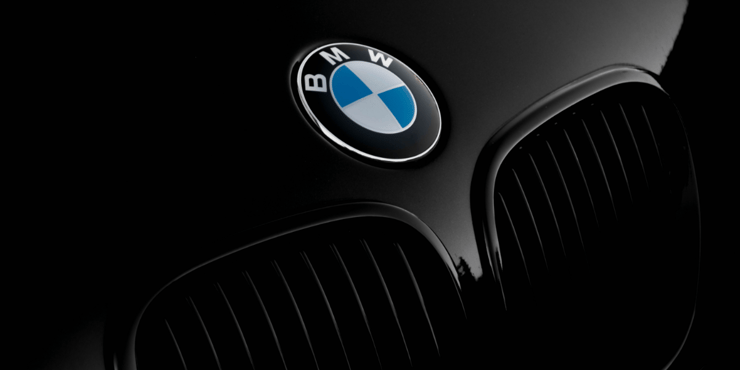
BMW built their identity on "The Ultimate Driving Machine" for 50 years, then simplified to just the roundel as their mission shifted beyond sporty cars. Once you've earned that kind of recognition, the logo can stand alone.
| Factor | Use a Tagline | Skip the Tagline |
|---|---|---|
| Brand awareness | Low or emerging | High and established |
| Logo clarity | Abstract or ambiguous | Self-explanatory |
| Market position | Crowded, need differentiation | Dominant or niche |
| Design style | Can accommodate text | Minimalist |
| Tagline quality | Strong and memorable | Weak or generic |
| Digital usage | Primarily print or large formats | Heavy social/mobile use |
The choice isn't permanent. Many brands use their tagline in some applications and drop it in others. You might include it on your website header but remove it from your social avatar.
Ask yourself: does this tagline add value? Does it clarify something the logo can't? Does it strengthen how people perceive us? If you're working through a larger brand audit, our strategic branding framework can help you think through these questions in context.
If the answer to all three is yes, use it. If you're unsure, that uncertainty probably means it's not strong enough yet.
A tagline is typically part of your logo lockup, not the logo itself. This means you can use them together or separately depending on the context. Most brands create versions with and without the tagline for different applications.
Keep it under seven words. The best taglines are three to five words. Anything longer gets hard to read at small sizes and harder to remember.
Yes. Taglines evolve more frequently than logos. Many brands update their tagline every few years while keeping their visual mark consistent. Just make sure the new tagline still fits your overall brand identity.
Most taglines sit below the logo mark or to the right of it. The placement depends on your logo's shape and where you'll use it most. Horizontal layouts work better for website headers. Stacked layouts work better for print and signage.
New businesses often benefit from taglines because they lack brand recognition. A tagline helps explain who you are and what you stand for while you build awareness. You can always drop it later once your brand is established.
A tagline is worth using if it's memorable, adds meaning your logo can't convey alone, and sounds natural when spoken aloud. If it feels forced, generic, or requires explanation, it's not ready yet.

1 min read
Brian Vieira : 11/20/23 8:42 AM
Your brand position, at its core, is a statement reflecting the perception your desired target audience holds to represent your values, offerings,...
1 min read
 Carol Montoto : 6/11/24 11:15 AM
I recently mentored a graphic design student on her project for AIGA Orlando's Spot Showcasementorship program. I found myself providing guidance...

1 min read
 Kevin Smith : 10/17/24 8:45 AM
The holiday season is a pivotal time for many businesses—a period relied upon to boost sales, engage with customers, and strengthen brand loyalty.