1 min read
Brand Storytelling: How to Turn Your Brand Into Something People Actually Remember
We're buried in ads. Promotions, sponsored posts, retargeted banners chasing us around the internet. And yet some brands manage to cut through all of...
When the economy gets shaky and everyday costs keep climbing, your members don't stop needing financial services. They need more from you, yet most credit unions typically respond by doing less.
That's the wrong move. Credit unions that stay visible and empathetic during these periods almost always strengthen relationships and pick up share from larger competitors that feel distant or purely profit-driven. We've seen it play out in countless studies, as well as with our own clients.
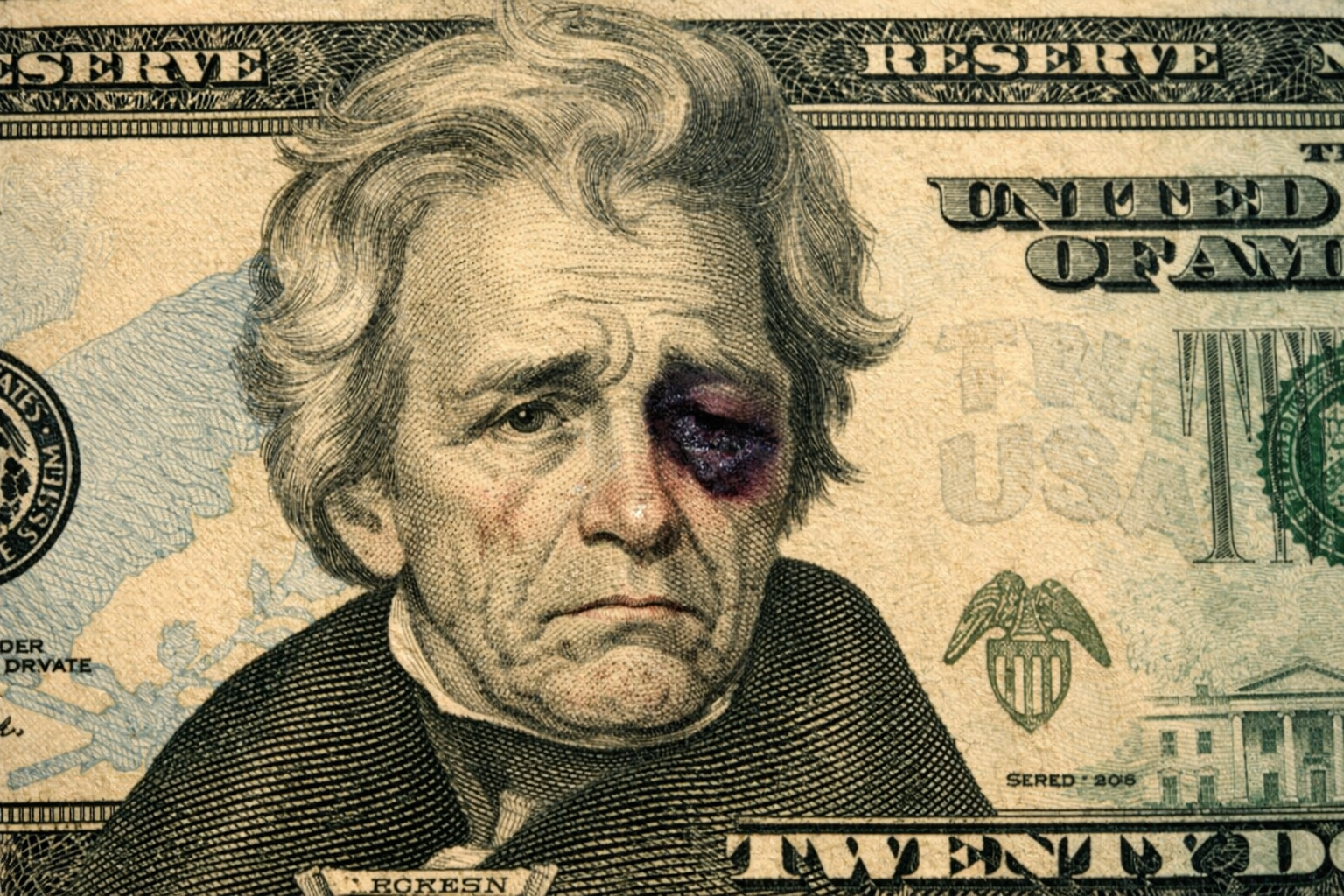
The Credit Unions that pull back on marketing during an economic downturn don't just lose momentum. They hand it to someone else.
Your members are dealing with inflation, elevated interest rates, and periodic layoff headlines. All of that fuels anxiety. But here's what a lot of credit union marketing teams miss: this type environment actually lines up with your mission as a credit union better than an economic boom does.
You're structured to put member benefits ahead of short-term profit. You serve communities that feel economic shocks early and hard. Tough times are when members most need what your credit union says you stand for.
The research backs this up. Harvard Business Review found that companies adjusting their message and mix (without abandoning the market) performed better in and after downturns than peers that slashed visibility. Not because they outspent everyone, but because they stayed present while competitors disappeared.
Credit unions have proven this in recent history. After the 2008 crisis, research shows that banks and captive finance companies pulled back sharply from auto lending, while non-banks and credit unions helped sustain the market and picked up share among borrowers.
The same pattern appeared during COVID‑19, when credit unions continued lending and launched targeted relief programs even as overall consumer loan demand, especially auto, slowed.
Before we get into what to do, it's worth calling out the most common mistake that we see during tough economic times: the vague reassurance campaign. You know the one. "We're here for you." "In these uncertain times." "Your trusted partner."
I'm not going to call anyone out by name here, but if you google "we're here for you" + credit union, you'll see what I mean:
It says nothing. It commits to nothing. And it sounds exactly like what every other credit union and half the banks in your market are running.
The problem with this messaging is that it maps to zero stages of the consumer decision journey.
It doesn't trigger anything. It doesn't help someone in active evaluation. It doesn't reduce friction at the moment of decision. It's just white noise.
If you're going to invest in marketing during a downturn (and you should), the spending has to connect to specific member needs at specific points in their journey.
Hard economic times or not, effective marketing starts with understanding that your members and prospects cannot be lumped into one big group.
A recession-era study from Harvard Business Review identified four consumer segments based on how people respond to financial pressure. We've found these map well to what shows up in credit union transaction data, and each one requires a different marketing approach:
"Slamming on the brakes" members are dealing with job loss, reduced hours, or mounting delinquencies. They need immediate relief, restructuring options, and a human being who will pick up the phone. Marketing to this group looks more like outreach than advertising.
"Tightening belts" members are cutting discretionary spend and shopping harder for value. These are the ones most likely to switch institutions for better rates and lower fees. If your value proposition is real, this is the group where you win new relationships. They're comparison shopping right now, and your rates and fee structure are already competitive. The gap is usually that they don't know about you.
"Still comfortable" members are employed and solvent but feel uneasy and are waiting for the other shoe to drop. They're focused on preserving savings and avoiding mistakes. They need guidance and reassurance backed by specifics, not empty "we're here for you" slogans.
"Unfazed" members may continue spending but are often leaning too hard on high-cost credit. They're a risk you should be watching.
You can identify which bucket your members fall into using data you already have: balances, product mix, transaction patterns, digital engagement. Overdrafts trending up, average balances dropping, skipped payments. These are signals, and your marketing should respond to them accordingly.
When budgets tighten, marketing is often one of the first things to be cut. And while multiple studies show this action is shortsighted, it still happens. The board gets nervous, the CFO looks for discretionary line items, and suddenly you're credit union is going dark in the market right when members are trying to decide who they can trust.
We covered this dynamic in depth in our digital marketing playbook. The short version: organizations that maintain or modestly increase marketing spend during downturns tend to gain market share and see stronger long-term profitability than those that cut because being present when competitors aren't is one of the cheapest ways to grow share of voice.
For your credit union, playing offense means protecting investment in programs that directly support financial resilience: consolidation offers, savings campaigns, digital onboarding. It means shifting budget away from vanity initiatives (the golf tournament or minor league baseball sponsorship that nobody can tie to a single new account) into measurable campaigns that address concrete member problems. And it means showing your board the external evidence so they're making decisions based on data rather than fear.
When money feels tight, your members and prospects are looking for help. Financial wellness has moved from a nice-to-have content topic to a core business strategy across the industry, and for good reason: credit unions that lead with practical support during downturns tend to retain more members and deepen more relationships than those running standard product campaigns.
Think about this through the lens of the Consumer Decision Journey. A member who's starting to feel financial stress is experiencing a trigger. If you reach them proactively with useful help (a budgeting guide or tool, a financial check-up, a clear explanation of your hardship programs) you're positioning your credit union at the front of their consideration set for whatever comes next. Maybe that's a consolidation loan. Maybe it's refinancing their auto loan. Maybe it's just staying with you instead of moving to a fintech that's promising a sign-up bonus.
The specifics matter. Tools and information on handling higher prices, prioritizing bills, and building emergency savings. Proactive "financial check-ups" for at-risk members framed as collaborative reviews, not collections encounters. Clear promotion of relief tools with straightforward information about who qualifies and how to apply.
During COVID-19, roughly two-thirds of credit unions launched special relief loans or modified products for affected members. Similar programs popped up during government shutdown threats. If you have programs like these (or could build them quickly), market them. Don't bury them three or more clicks deep on your website.
Periods of high prices and rate volatility sharpen how sensitive people are to value.
Lower loan rates and balance-transfer options that can reduce high-rate credit card burdens. Competitive yields on savings and certificates that help your members' cash keep better pace with inflation. Low- or no-fee checking, overdraft-friendly policies, and small-dollar credit alternatives that keep people away from payday lenders.
The mistake we see is credit unions treating these as product marketing when they should be framing them as financial relief. "Our auto loan rate is 5.99%" is product marketing. "If you're carrying a credit card balance at 22%, we can probably cut that in half" is solving a problem.
Same product, completely different framing. One belongs on a rate sheet. The other belongs in every channel you have.
Acquiring a new member in a cautious environment is expensive. Losing them because your onboarding is an afterthought is wasteful. Research on customer behavior consistently shows that the first weeks and months of a relationship heavily influence long-term loyalty and product depth.
Your onboarding should welcome members with a clear story about how you can support them when money feels tight. It should introduce digital tools and products that match their situation (highlighting budgeting tools, etc.). And it should invite early conversations about goals and pressure points, rather than waiting until problems show up as delinquencies.
The same mindset applies to existing members. If your data shows someone's balances are dropping or overdrafts are increasing, that's a signal to reach out with help.
Marketing during hard economic times requires alignment between you, your executive team, and the board. And the time to build that alignment is before it's needed.
The central message to leadership: thoughtful marketing is part of your credit union's safety net for members, not a discretionary expense. Consider maintaining a shared scorecard to keep everyone focused on the same outcomes:
Member growth and churn broken out by segments and risk indicators.
Uptake and performance of "resilience products" (savings accounts, consolidation loans, hardship programs).
Campaign-level metrics like cost per funded loan or account and the impact on delinquencies.
By grounding decisions in both external evidence and your own data, your credit union can resist fear-based cuts and back strategies that help members weather uncertainty. And when conditions improve, you'll be positioned for stronger growth because you never went dark.
If you're rethinking your credit union's marketing strategy (whether because of economic pressure or because what you've been doing just isn't working), our complete guide to credit union marketing covers the full picture: the consumer decision journey framework, digital and traditional channel strategy, member acquisition, branding, and how to measure what actually matters.
It's the same approach we use with our credit union clients, and it's built for teams that need to do more with less.
No. Research from Harvard Business Review shows that organizations maintaining or modestly increasing marketing spend during downturns gain market share and see stronger long-term profitability than those that cut. Credit unions that stayed visible during the 2008 crisis and COVID-19 picked up share in auto lending and other categories while larger competitors pulled back.
Get specific. Vague reassurance campaigns ("we're here for you") sound like every other financial institution. Instead, explain deposit protection in plain English, promote hardship programs with clear eligibility and next steps, and frame your lower rates and fee structure as financial relief rather than product features.
Financial wellness tools, consolidation and balance-transfer offers, hardship programs, and savings products. Use your transaction data to identify members showing signs of stress (declining balances, rising overdrafts, skipped payments) and prioritize proactive outreach to those groups with relevant offers and support.
Build alignment before you need it. Present external evidence (like the HBR research on downturn marketing) alongside your own data. Maintain a shared scorecard focused on member growth and churn by segment, uptake of resilience products, and campaign-level metrics like cost per funded loan. The central message: marketing is part of your institution's safety net for members, not a discretionary expense.
Sign up for our monthly newsletter to receive updates.
1 min read
We're buried in ads. Promotions, sponsored posts, retargeted banners chasing us around the internet. And yet some brands manage to cut through all of...
A brand positioning statement defines the specific place your brand occupies in the mind of your target audience. It answers who you are for, why...
The right marketing agency has experience in your industry, can show proof of results, and fits your budget. Start by defining what you actually...